


MIND ON THE MOVE
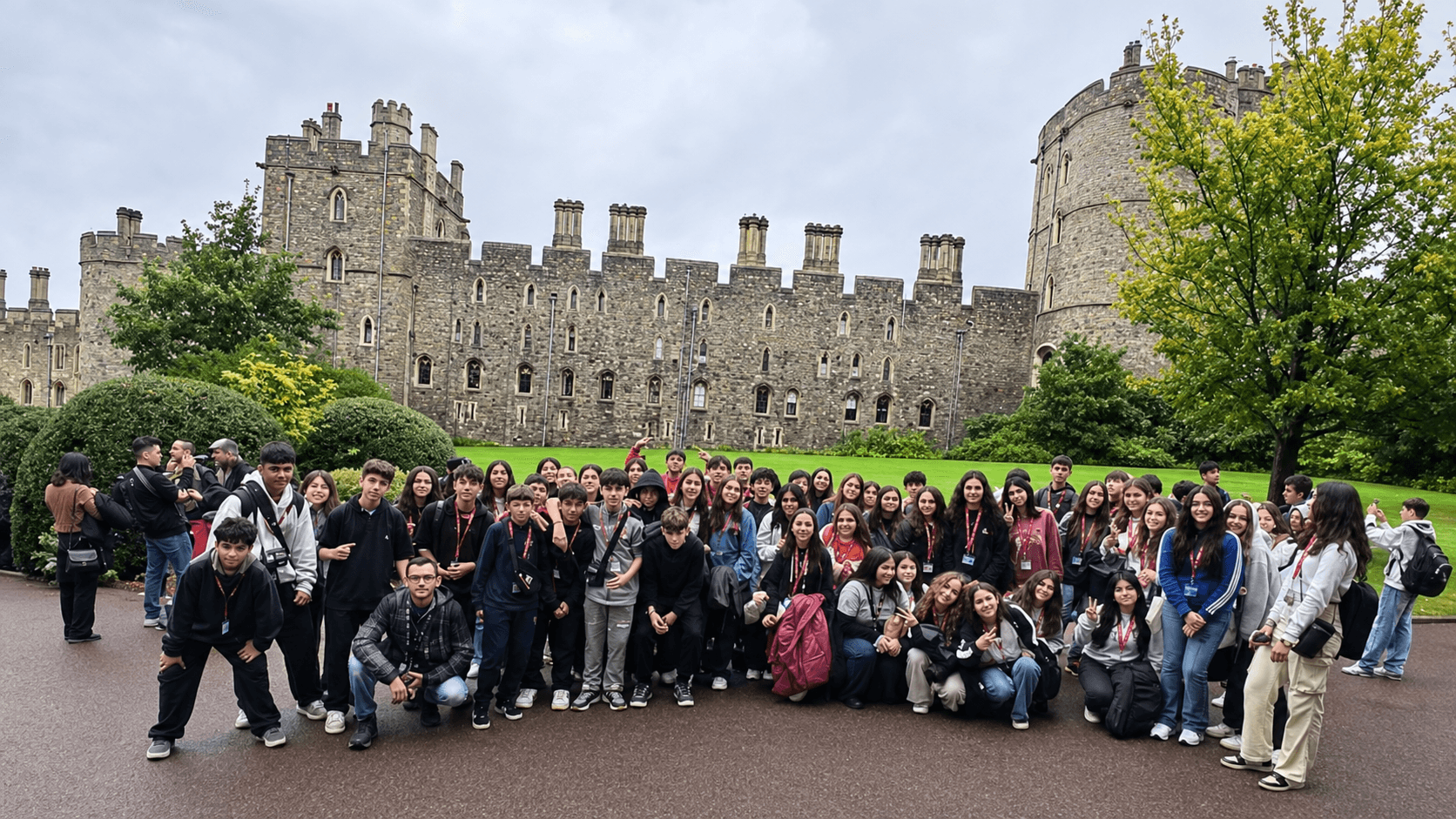
What if your child returned from London excited about a conversation they had in English, as well as the places they visited?
MIND ON THE MOVE brings a fresh approach to learning English in London, connecting lessons with everyday experiences and exploring the city
Here is how the programme works, who it is for, and what your group should consider when planning a week in the UK
What is MIND ON THE MOVE?
MIND ON THE MOVE is an Ardmore programme that connects English learning with experiences beyond the classroom
Students have opportunities to use the language in situations linked to the places they visit and the things they discover
Interlude Trail can arrange a one-week group programme that combines English courses with sightseeing in London for students aged 11 to 18
This programme is offered exclusively to groups, on request, for specified dates subject to availability
It is not an individual enrolment programme with open dates throughout the year
| Programme detail | Information |
|---|---|
| Programme name | MIND ON THE MOVE |
| Destination | London, United Kingdom |
| Duration | One week |
| Age range | 11 to 18 years |
| Booking type | Groups only |
| Dates | On request, for specified dates subject to confirmation |
| Included services | English courses, accommodation, and airport transfers |
| Experience | English learning and London sightseeing according to the agreed itinerary |
Learn more about the education provider through the official Ardmore website
Your group offer will confirm the lesson schedule, study location, accommodation, visits, and any additional services before booking
Why learn English in London beyond the usual routine?
A student may know many English words but still hesitate when it is time to speak
When choosing an English course, it helps to look at opportunities to practise, as well as books and lesson numbers
This programme connects structured learning with a setting that is different from the normal school day
Imagine a student learning how to describe a place
They can write about a picture in a book, then try describing something they see during a visit and share their opinion with classmates
The second task gives them a real subject to talk about
The teacher can then help them improve how they express it
How can a visit become more than a photo stop?
One approach is to connect each visit with a small language task suited to the group
Before leaving, students decide what they want to find out
During the visit, they collect observations
Afterwards, they use those notes in a short talk or writing activity
For example, a student could choose three things that caught their attention and explain which was most interesting and why
These are suggested learning activities to explain the approach
They are not a fixed schedule or a promise of specific tasks in every booking
What about students who feel shy about speaking?
A small task can be a useful starting point
A student might begin with one sentence, then ask a question, and later explain a choice to a classmate
Participation can build gradually, with support and useful feedback
Students will not all make the same progress in a week
A practical goal might be taking part more often or using new expressions in a suitable setting
But how can famous London places become part of an English lesson, rather than simply a tour after class?
How does the programme combine English courses and London sightseeing?
It starts with choosing a visit that has a purpose, preparing for it, and reviewing the experience afterwards
Students do not need to know the full history of London
They need a question to explore, an idea to compare, or something they would like to describe
London places and possible learning activities
The following places can be considered when planning a group itinerary, depending on age, time, and availability
These examples do not mean that admission or tickets are automatically included
| Suggested place | Possible language activity |
|---|---|
| Westminster and Big Ben | Describe the view and separate observations from opinions |
| The area around Buckingham Palace | Prepare questions about the place and discuss them as a group |
| Tower Bridge | Compare two images or describe the bridge and its setting |
| Natural History Museum | Choose an exhibit and explain what makes it interesting |
| Hyde Park | Describe the surroundings and suggest ways to spend time there |
| Covent Garden | Observe the area and write a short summary of the visit |
Explore more ideas through the official Visit London guide to free activities
Group visits may need advance booking even when general admission is free
The arrangements for each location should be checked during planning
What could a one-week programme look like?
This is an example for planning, rather than an official school timetable
| Day | Suggested outline |
|---|---|
| Day 1 | Arrival, airport transfer, settling into accommodation, and orientation |
| Day 2 | English lessons and a practical task linked to a suitable visit |
| Day 3 | Lessons, paired activities, and a selected cultural visit |
| Day 4 | Language practice focused on description and comparison, with an outdoor task |
| Day 5 | Lessons and a group project using observations from the visits |
| Day 6 | Remaining programme activities, a closing task, or a visit according to the schedule |
| Day 7 | Departure preparation and airport transfer |
Teaching days, lesson numbers, and confirmed visits depend on group dates, flight times, and programme availability
The balance matters
A good plan leaves time for rest and review instead of filling every hour with travel between attractions
Is one week a useful first study abroad experience?
A week can offer an introduction to learning in a new setting, following a different routine, and practising English within a group
It does not replace a longer course or promise fluency within seven days
Set a goal that students can recognise
That might be giving a short talk, writing a daily summary, or joining a discussion they would previously have avoided
There is still one practical question for families and schools, if lessons, accommodation, and airport transfers are included, how much extra spending money is needed?
What are the estimated living costs for one week in London?
Accommodation is included in this programme, so it should not be added again to the weekly spending budget
The same applies to the included course fees and airport transfers
Extra spending mainly depends on meals, local transport, activities outside the package, and personal purchases
Estimated weekly spending budget
The table below is a planning estimate for one student over seven days
It is not an official Ardmore price or a final Interlude Trail quotation
It assumes that meals and daily local transport are not included and that the group chooses budget options
| Expense | Estimated weekly cost in GBP |
|---|---|
| Simple meals, averaging £15 to £25 per day | £105 to £175 |
| Allowance for local transport, depending on zones and age | £35 to £60 |
| Extra snacks and drinks | £20 to £35 |
| Allowance for an optional activity or small purchases | £20 to £40 |
| Contingency for unexpected expenses | £20 to £30 |
| Estimated total | £200 to £340 |
This excludes the programme price, flights, visa costs, insurance, and major shopping
Some attraction tickets may cost more than the optional activity allowance, so choices should be reviewed before setting the final budget
What changes if meals are included?
If the confirmed group offer includes meals, reduce the food allowance according to what is covered
If daily transport is included, do not count it again
Transport costs also depend on age, travel zones, and payment method
Transport for London offers a Young Visitor discount for eligible visitors aged 11 to 15 when it is activated under the required conditions
The same discount should not be assumed for everyone aged 11 to 18
Check the Transport for London visitor guidance for details
These estimates are a starting point
Review them before travel against the confirmed itinerary and prices for your dates
How do you choose the right English course for your group?
English courses in the UK can sound similar while offering different experiences
Before confirming a programme, check
- The number of lessons and the length of each lesson
- How English levels are assessed
- How ages are considered during activities
- Accommodation type, location, and facilities
- Included meals and dietary arrangements
- Local transport and attraction tickets
- Supervision and communication with parents
- The airport covered and agreed arrival and departure times
An age range of 11 to 18 does not mean every student should complete every task in the same way
Discuss suitable activities, levels, and group arrangements with the education provider before confirming
At Interlude Trail, we help schools and group organisers bring these details into a clear offer
This makes it easier to compare programmes by what they provide, as well as their price
Explore our study abroad programmes and Education Track
Frequently asked questions about MIND ON THE MOVE
Can students book individually?
The programme described here is exclusively for groups
It is arranged on request for specified dates, subject to availability
How long is the programme, and what ages does it cover?
The programme lasts one week and is intended for students aged 11 to 18
Details are coordinated around the ages and English levels within the group
What does the programme include?
It includes English courses, accommodation, and airport transfers
Meals, daily local transport, attraction tickets, and other services will be explained in the group offer before booking
Does one week guarantee fluent English?
No, progress depends on the starting level, participation, and time spent learning
The programme offers practice and an introduction to studying in a new setting that students can build on after returning home
Plan a week of English and discovery
The experience may start with one question a student asks in English
That small step can become a starting point for greater participation and a willingness to try again
MIND ON THE MOVE allows groups to combine English study in the United Kingdom with discovering London, through a short programme with clear goals and agreed arrangements
Start with Design your study programme to explore your preferences
To arrange this group programme, contact Interlude Trail with your group size, student ages, and preferred dates so we can check availability and prepare a suitable offer