


School Trips in Saudi Arabia with Interlude Trail
School trips in Saudi Arabia can help students step away from screens and discover their country through real experiences
At Interlude Trail, our aim is to connect local culture, outdoor activities, and practical learning in programmes that give every student a chance to take part
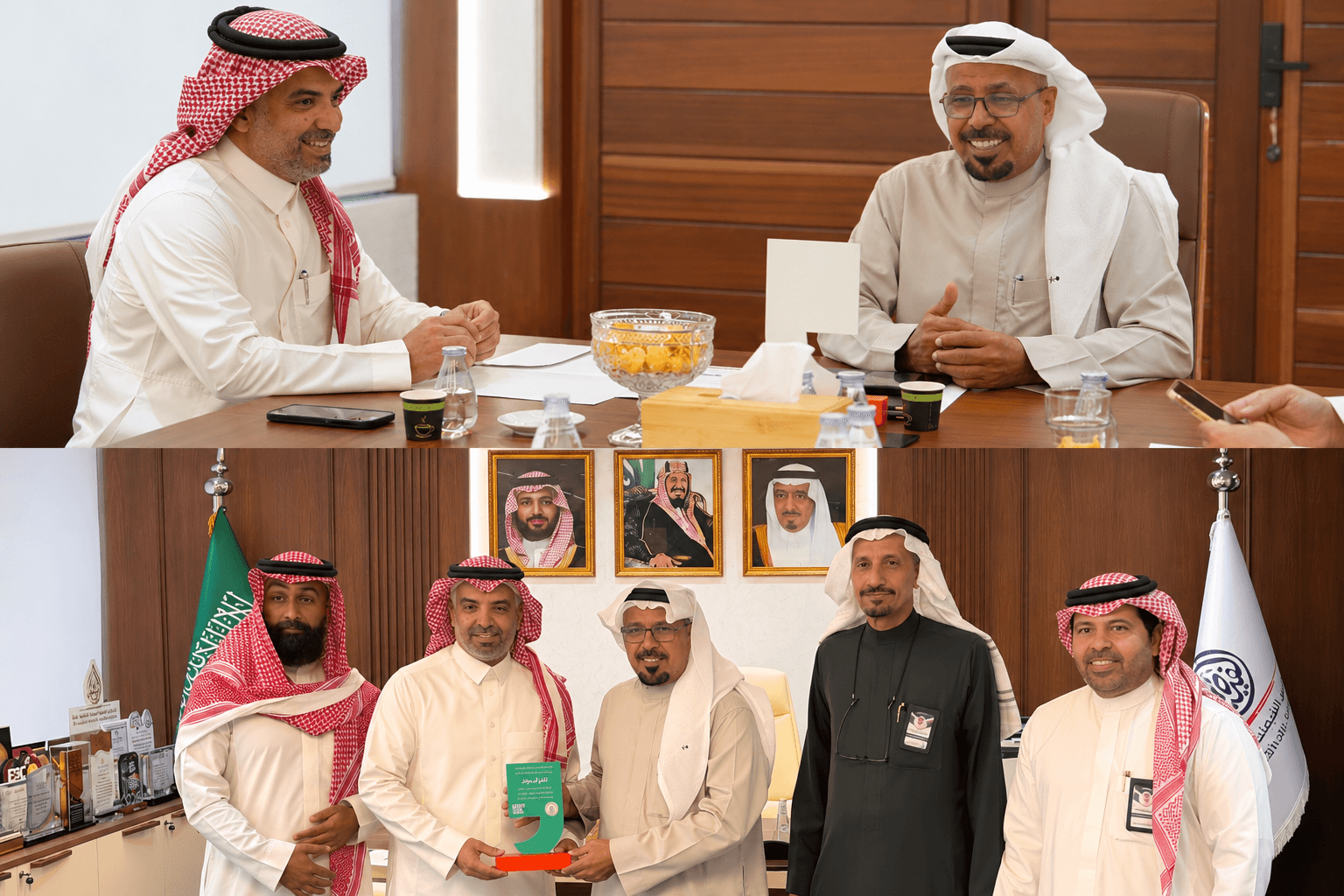
Our discussions with Al Faisaliah National Schools in Jeddah reflect this goal of building a community partnership with clear educational aims
Interlude and Al Faisaliah explore a school partnership
According to the school news bulletin dated 9 November 2026, Al Faisaliah National Schools in Jeddah discussed a proposed cooperation agreement with Interlude Travel
The meeting focused on developing student life skills and supporting services for the school community
It covered the proposed agreement, possible areas of work, and ways to coordinate and review progress
The bulletin names Majed Hameed Almaghamsi as the representative of Interlude at the meeting
Both sides agreed to continue discussions towards a final version for approval
The bulletin records a proposed agreement, rather than announcing a completed signing
The programme ideas in this article describe the Interlude approach
Any activities adopted for the school would be agreed through the planning process
How can school trips in Saudi Arabia support learning?
A useful school trip starts with a clear question
What should students discover, practise, or understand by the end of the day?
The aim might be to explore a local environment, learn about a historic place, try an outdoor activity, or take responsibility within a group
Once that aim is clear, each part of the day can support it
The journey becomes a chance to notice changing landscapes
A visit becomes a chance to ask questions
A group task becomes a chance to listen and cooperate
Learning also needs time before and after the trip
A teacher could ask students how the landscape affects daily life in a place, then invite them to collect observations during the visit
Back at school, students can compare what they expected with what they saw
This gives the trip a purpose beyond a day away from class
How can students discover Saudi culture and landscapes?
Saudi Arabia offers many settings for learning about the relationship between people and place
Mountains, deserts, and coastal areas give students different things to observe
Buildings, local stories, and daily activities add another layer to that understanding
We want students to approach each place with curiosity and respect
A region should not be reduced to one image or one description
These are examples of learning themes that could guide a programme
They are not a list of confirmed school trips
| Place or setting | Discovery theme | Suggested learning task |
|---|---|---|
| Taif and Al Shafa | Mountain landscapes | Discuss how terrain affects movement and activities |
| AlUla | Rock formations and historic sites | Connect the natural setting with stories of human settlement |
| Jeddah | Coastal life and built heritage | Explore the relationship between the sea and the city |
| Madinah | History and respectful site visits | Prepare questions about selected places |
| Tabuk and nearby areas | Mountain and desert settings | Compare landscapes seen during the journey |
| A suitable desert site | Preparation and shared resources | Complete simple group tasks in a prepared setting |
Students and teachers can explore destinations before travelling through Visit Saudi
For an example that brings nature and heritage together, see the Visit Saudi guide to AlUla
How do outdoor activities encourage an active lifestyle?
Our aim is to help students find a positive way to take part in physical activity
That means matching the task to their age, experience, and ability
Trying something new should come with support and a clear choice
Students should not feel pushed into an activity to keep up with others
Hiking and nature walks
A suitable walking route can include rest stops, observation tasks, and time to learn about the setting
Students can practise staying with the group, managing their effort, caring for their belongings, and following leader instructions
Success does not mean arriving first
It can mean taking part responsibly, helping a classmate, or recognising when to ask for a break
Climbing and mountain activities
A suitable climbing experience may be considered at a designated site with trained staff, appropriate equipment, and clear entry rules
Such tasks can offer a chance to practise focus, follow instructions, and think about the next step
An alternative should be available when a student does not wish to take part
Encouragement works best when it respects readiness and personal limits
Group challenges
Simple shared tasks can also support an active programme
Students might organise equipment, follow a team route, or solve a practical challenge together
These activities give different students a chance to contribute
They also show that listening is part of leading
What can students learn from a desert experience?
A planned desert experience can introduce students to preparation, shared resources, and teamwork
It does not mean leaving students without water, food, support, or a way to get help
The aim is to practise useful skills in a managed setting with clear supervision
Suggested tasks may include
- Packing suitable personal items
- Helping put up a tent at the planned site
- Organising and caring for equipment
- Understanding the importance of water, shade, and suitable clothing
- Learning basic direction finding with a map and compass
- Sharing duties and keeping the area clean
- Reporting discomfort or asking for help
These tasks should be introduced in stages
A beginner needs a clear example, a simple first attempt, and support when trying again
Learning to manage an unfamiliar setting also means knowing when to stop or change the plan
Good judgement is part of the lesson
How do we help students move from screens to real experiences?
Interlude wants to give students time to be fully present
That might mean noticing a landscape, speaking with classmates, joining a task, or listening to a local story without checking a phone throughout the activity
The school can agree on periods without personal phones, with the rules explained to students and parents before the trip
Staff communication and emergency arrangements remain available
Taking a break from social media does not mean removing essential contact or support
A short photo period can be included, followed by time to return to the experience
At the end of the day, students could share one thing they noticed, one question they asked, and one task they helped complete
This gives them something to reflect on beyond the images they bring home
It also offers a practical way to explore a more balanced relationship with technology
Which life skills do we aim to develop?
We design tasks to create opportunities for practice
The focus is on actions students can understand and try for themselves
| Skill | Example during a trip |
|---|---|
| Responsibility | Preparing and looking after personal items |
| Teamwork | Sharing roles in a group task |
| Communication | Explaining a need or asking for help |
| Decision making | Comparing simple options with a leader |
| Flexibility | Adjusting when a plan changes |
| Care for nature | Collecting waste and leaving a site clean |
| Cultural awareness | Listening respectfully and following site guidance |
These are educational aims, rather than guaranteed results from one visit
Lasting progress needs support from school and home, along with further chances to practise
What makes a school partnership meaningful?
The partnership we seek begins with the needs of the school
It connects planning, delivery, and review around shared goals
Before a trip, we discuss ages, group size, learning aims, support needs, and suitable activities
The plan should also make services, responsibilities, and communication clear
During the programme, students need clear instructions and staff need agreed roles
Activities should follow the approved plan while allowing for differences in ability and readiness
After the trip, feedback can guide the next programme
Teachers may notice which tasks encouraged participation and which parts needed more time
Students can also answer three short questions
- What did I discover about my country?
- What did I contribute to the group?
- What would I like to practise next time?
This helps the partnership grow from real experience rather than repeating the same trip without review
How can a school arrange a private trip?
Each school has its own aims, calendar, and student needs
We start there before choosing the destination
A day trip or a longer programme can be explored, subject to age suitability, approvals, applicable requirements, and available services
To prepare a useful proposal, we ask for
- Student age group and expected numbers
- Preferred date and duration
- Learning or life skill goals
- Suitable activity level
- Transport, meal, and accommodation needs
- Any support needs that should shape the plan
The activities, services, and costs can then be set out for review
The programme is agreed before delivery
Frequently asked questions
Has the agreement with Al Faisaliah been signed?
The supplied school bulletin records discussions about a proposed agreement and plans to work towards a final version for approval
It does not announce a final signed agreement
Do students need hiking or climbing experience?
It depends on the activity
Beginner programmes can be designed, while specialist activities have their own entry requirements and suitability checks
Will phones be banned for the whole trip?
The policy is agreed with the school
It may include periods without personal phones during activities, while staff contact and essential communication remain available
Can Interlude design a private school programme?
Yes, a proposal can be built around student ages, group size, goals, and dates, with activities and services confirmed before the programme is approved
Help students discover their country for themselves
At Interlude Trail, we want students to know their country through experience, respect its different places, and find opportunities to learn through nature and movement
That starts with a clear plan shared by the school, families, and the organiser
It gives every student a role and a reason to take part